
Quick Summary
Mines game player testimonials consistently point to three reasons players keep returning: visible risk choices, quick rounds, and the feeling of control created by cashing out at any time.
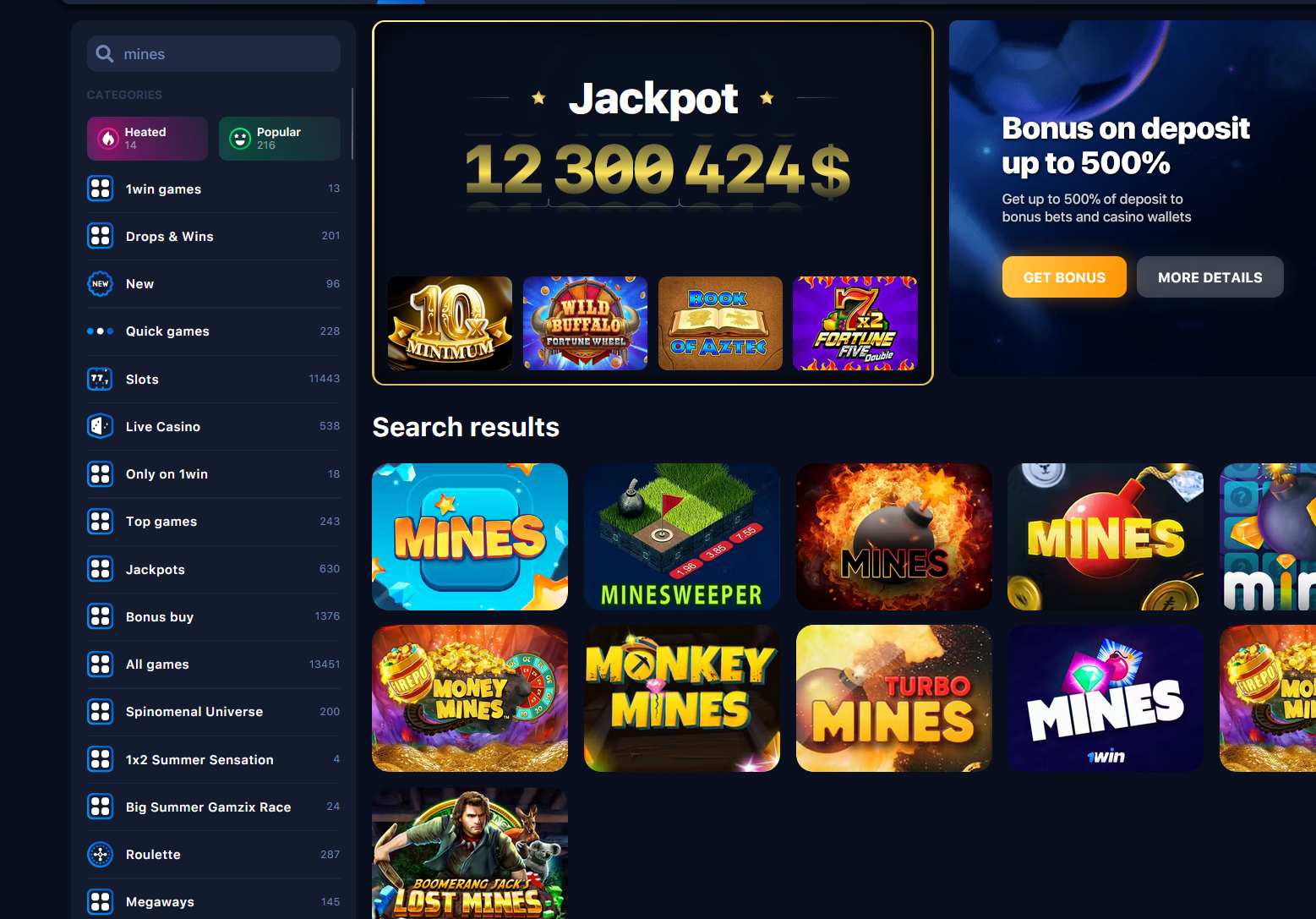
- The game is an instant-win casino format inspired by minefield selection, not a logic puzzle like classic desktop Minesweeper.
- Players choose stake size, mine count, and when to collect the multiplier.
- RTP is often high compared with many video slots, but volatility changes sharply with the number of mines selected.
- Responsible bankroll limits matter because every tile click is still a random gambling event.
Mines game player testimonials: Real Feedback, Odds, and Strategy Insights
Mines game player testimonials have become one of the clearest ways to understand why this fast casino game has moved from niche crypto sites into mainstream instant-win lobbies. Unlike a slot spin, a Mines round asks the player to make repeated choices: continue, cash out, or accept a higher level of danger. That simple loop explains much of its appeal, but the real story is more nuanced. Players praise the pace, the transparent multiplier ladder, and the ability to shape volatility, while experienced gamblers also warn that perceived control should never be confused with guaranteed advantage.
This 2026 guide reviews Mines game player testimonials through the lens of game design, probability, RTP, mobile usability, and safer-play habits. It is written for readers comparing instant-win games, casino operators studying engagement, and players who want a practical understanding before staking real money.
Key Facts
| Topic | What Players Report | Expert Take |
|---|---|---|
| Game Type | Fast, tap-based instant win | Best classified with crash games, Plinko, dice, and other high-speed casino titles. |
| Typical Grid | Many players prefer a 5×5 layout | The 25-tile format is familiar, readable on mobile, and easy to price mathematically. |
| Main Appeal | Choice, suspense, and instant cashout | Mines game player testimonials often overstate control, but they correctly identify stronger interactivity than passive slots. |
| RTP Range | Frequently advertised in the high-90% range | Check each provider because house edge, settings, and casino implementation can vary. |
| Volatility | Adjustable by mine count and cashout target | More mines create larger possible multipliers and faster bankroll swings. |
Overview
At its core, Mines is a probability game built around hidden hazards. A grid is displayed, a set number of mines is placed randomly beneath unrevealed tiles, and safe selections increase the payout multiplier. The player can collect after any safe click or keep going for a larger return. The game ends immediately if a mine is revealed. In many modern versions, the outcome is generated before the first click, which means the player is not changing randomness mid-round; they are choosing how much risk to expose.
Mines game player testimonials frequently mention that this structure feels more personal than a spin button. A slot can provide audiovisual entertainment, free spins, and bonus rounds, but the player mostly waits for reels to stop. Mines makes every step feel like a decision. That is powerful from a user-experience standpoint, even though the mathematical expectation remains set by the payout table and house edge.
Why players describe Mines as more engaging
Many players describe the best Mines sessions as short bursts of concentration. They like seeing a small win become available after the first safe tile and deciding whether a second or third click is worth the danger. Mines game player testimonials also emphasize the absence of long loading screens, complex paylines, or confusing feature rules. The interface is simple enough for beginners, yet flexible enough for advanced players to test different volatility profiles.
Trust, fairness, and provably fair systems
On crypto-focused platforms, Mines game player testimonials often discuss provably fair verification. A typical system uses server seeds, client seeds, and hashes so a player can confirm that the mine placement was not changed after the bet began. This does not make the game beatable, but it can improve confidence when implemented clearly. On licensed fiat casinos, trust usually comes from independent testing labs, published RTP information, and responsible gambling controls.
How to Play
The basic flow is easy to learn. First, select a stake. Next, choose the number of mines hidden on the grid. Fewer mines mean a higher chance of surviving each click, but the multiplier grows slowly. More mines mean each safe tile is rarer, so the multiplier rises faster. After the round begins, select tiles one at a time. If the tile is safe, your cashout value increases. If it hides a mine, the bet is lost.
Mines game player testimonials show that beginners often start with low mine counts because the first few safe clicks feel achievable. More experienced risk-takers may choose aggressive settings, but those rounds can end in one click. The best practical advice is to decide your cashout point before the round starts. A plan prevents emotional clicking after an early safe reveal.
Step-by-step beginner method
- Choose a licensed casino or a reputable crypto casino with clear fairness information.
- Use demo mode if available to learn the grid and payout ladder.
- Start with a small stake relative to your bankroll.
- Select a low or moderate mine count.
- Set a fixed target, such as one to four safe clicks, before pressing start.
- Cash out when the planned target is reached, even if the next multiplier looks tempting.
Common player habits
Some players use corner patterns, diagonals, crosses, or alternating tile routines. Mines game player testimonials often say these rituals help them stay disciplined. Mathematically, however, tile patterns do not predict where mines are located when the game uses genuine randomization. Their value is behavioral, not statistical: a pattern can reduce impulsive decisions, but it cannot improve the odds.
Bonus Features
Mines is usually simpler than feature-heavy slots, but modern versions have added tools that players notice. Auto cashout is one of the most valued features because it removes hesitation at a predefined multiplier. Some games offer turbo mode, autoplay with limits, animation speed controls, and detailed bet history. Others include social leaderboards, tournament missions, or seasonal challenges tied to instant-win gameplay.
Mines game player testimonials about bonus features tend to favor clarity over spectacle. Players want the multiplier table visible, the mine count easy to change, and the cashout button responsive. On mobile, they praise large tiles, haptic feedback, portrait-mode design, and low data usage. These details may sound small, but they directly affect confidence during rapid rounds.
Demo mode and free play
Free demo play is useful for learning mechanics, but it should not be mistaken for proof that a strategy will win with real money. Mines game player testimonials from demo users often sound more relaxed because there is no financial pressure. Real-money sessions create different emotions, especially after a loss streak. Use demo mode to learn buttons, payout curves, and cashout timing, then switch to real play only with strict limits.
Mobile casino experience
The mobile fit is one reason Mines has grown so quickly. A round can last seconds, the rules fit on one screen, and there is no need to understand paylines or bonus symbol hierarchies. Mines game player testimonials commonly call it a commuter-friendly game, although responsible play means avoiding gambling in distracted environments or when rushed. Fast access is convenient, but speed can also encourage over-betting.
RTP/Volatility
RTP, or return to player, describes the theoretical long-term percentage paid back to players across many rounds. Many Mines versions advertise RTP in the upper-90% range, which can be attractive compared with some traditional online slots. Still, RTP is not a short-term forecast. A player can lose several rounds quickly even in a high-RTP game if the selected volatility is aggressive.
Mines game player testimonials repeatedly highlight adjustable volatility as the defining feature. With one mine on a 25-tile grid, the probability of the first safe click is very high, so the payout increase is modest. With many mines, the first safe click becomes more difficult, and the reward rises accordingly. This is why two players can experience the same game very differently: one may grind small multipliers, while another chases dramatic payouts.
Low-risk versus high-risk setups
A conservative setup usually combines a low mine count with a short cashout target. It can produce more frequent small wins, but it does not remove the house edge. A high-risk setup uses many mines or a long sequence of clicks. Mines game player testimonials from high-risk players are often memorable because big multipliers make exciting stories, yet they can hide the many failed attempts required to reach those outcomes.
Bankroll management
The most useful strategy is not a secret tile pattern; it is bankroll control. Set a session budget, divide it into small units, and stop when either the win goal or loss limit is reached. Avoid doubling systems after losses. Martingale-style betting can create the illusion of recovery, but table limits, bankroll size, and random losing streaks make it dangerous. Mines game player testimonials that sound sustainable usually mention small stakes, fixed rules, and quitting after emotional frustration appears.
What Real Player Feedback Reveals
Across forums, review pages, and casino communities, the same themes appear. Players like Mines because it is understandable. They know exactly what caused the round to end. They can see the current cashout amount. They can stop without waiting for a reel set, dealer decision, or crash curve. Mines game player testimonials also show that players appreciate transparency when casinos display odds, RTP, seed verification, and responsible gambling tools near the game window.
Negative feedback is equally important. Some players say the game becomes repetitive. Others admit that the quick restart button makes it too easy to chase losses. A few misunderstand randomness and believe a tile is due to be safe because several mines appeared nearby in previous rounds. The expert view is clear: each properly randomized round must be treated independently unless the game rules explicitly state otherwise.
Mines versus Crash and Plinko
Compared with crash games, Mines is less communal and less time pressured. Crash players watch a multiplier climb and decide when to exit before it collapses. Mines players move at their own pace. Compared with Plinko, Mines feels more active because each click is chosen manually. Mines game player testimonials suggest that people who dislike passive gambling often prefer Mines, while players who enjoy pure spectacle may still choose Plinko or slots.
FAQ
The following answers address the most common questions raised in Mines game player testimonials and casino game discussions.
Q: Are Mines game player testimonials reliable for choosing a strategy?
Q: Do patterns help in Mines?
Q: What is the safest way to play Mines?
Q: Why do players say Mines feels more controllable than slots?
Final Verdict
Mines game player testimonials reveal a game that succeeds because it is fast, transparent, and highly customizable. Its strongest qualities are simple rules, adjustable volatility, mobile-friendly design, and clear cashout decisions. Its biggest risk is psychological: the feeling of control can encourage extra clicks beyond the original plan. Treat Mines as entertainment, verify fairness where possible, understand RTP and volatility, and never stake money you cannot afford to lose.