
Mines game virtual reality experience Guide
Quick Summary
The Mines game virtual reality experience turns the classic grid-based casino game into an immersive headset environment where players reveal safe tiles, manage risk, and cash out before hitting a hidden mine. In 2026, the best VR versions combine hand tracking, spatial audio, haptic feedback, transparent RTP information, and responsible gambling tools. The appeal is simple: the mathematics remain familiar, but the tension feels more physical, social, and cinematic.
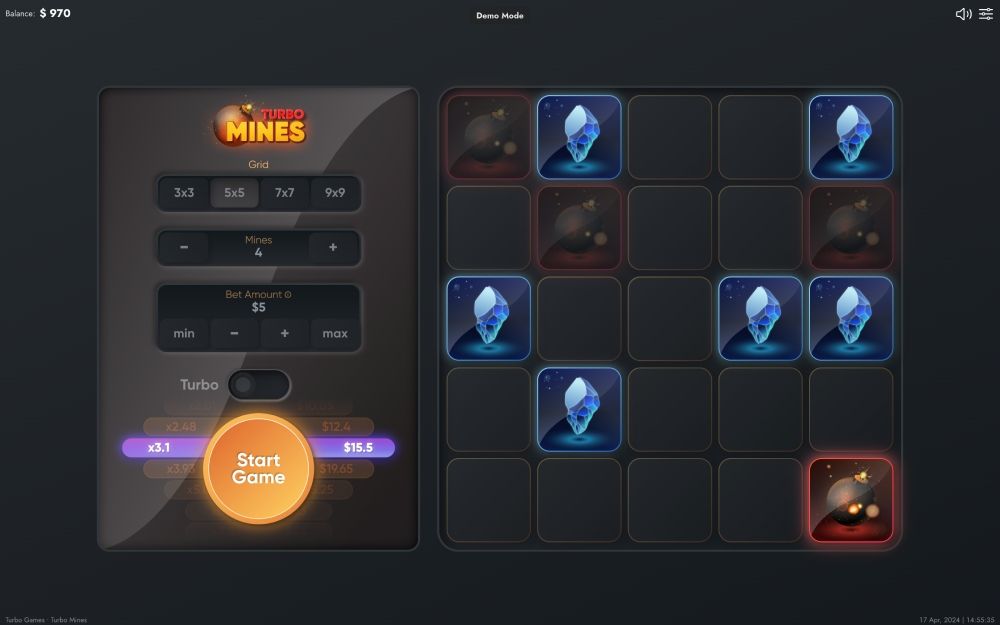
- Best for players who enjoy fast rounds, visible risk, and interactive gameplay.
- Core format usually uses a 5×5 grid with adjustable mine counts.
- RTP commonly sits in the high casino range, depending on provider rules.
- Volatility is player-controlled through mine selection and cash-out timing.
- VR adds presence, hand movement, sound cues, and optional social lobbies.
| Feature | What It Means | Player Impact |
|---|---|---|
| Game Type | Instant win, risk-reward casino game | Quick decisions with clear outcomes |
| VR Format | Headset-based 3D tile or minefield interface | The Mines game virtual reality experience feels more immersive than a flat screen |
| Typical Grid | Often 25 tiles, though layouts can vary | Easy to learn and fast to repeat |
| Risk Control | Players select the number of mines | More mines create higher possible multipliers |
| Cash Out | Available after one or more safe picks | Discipline matters as much as selection |
| RTP Range | Usually competitive, subject to provider settings | Check the game rules before wagering |
| Best Device Features | Hand tracking, haptics, stable frame rate, clear HUD | Reduces misclicks and improves comfort |
Overview: Why Mines Works So Well in VR
The Mines game virtual reality experience is not just a visual reskin of a familiar gambling title. It changes how the player perceives risk. On a phone or desktop, Mines is usually a grid of squares and a balance display. In VR, that same grid can become a glowing tactical console, a chamber of floating cubes, a treasure room, or a futuristic danger board that reacts to every successful pick. The rules stay simple, but the emotional weight of each reveal is amplified.
At its core, Mines is a probability game. You choose a stake, select how many mines are hidden, reveal tiles, and decide when to stop. The Mines game virtual reality experience keeps this structure intact while adding depth through movement, sound, and presence. Reaching toward a tile with your own hand creates a different feeling from tapping a screen. The moment before a reveal becomes a small performance: aim, hesitate, commit, then either collect a multiplier increase or lose the round.
Immersion and Presence
Presence is the reason VR casino games feel distinct. The player is surrounded by the interface instead of looking at it from outside. A strong Mines game virtual reality experience uses spatial audio, responsive lighting, and animated feedback to make risk feel close. Safe tiles may pulse softly, cleared tiles may rise from the board, and a failed pick may trigger a brief shockwave effect. These features do not change the odds, but they do change engagement.
Who Should Try It?
The Mines game virtual reality experience suits players who prefer active decisions over passive reels. Slot fans who enjoy bonus choices may like the reveal mechanic, while crash-game players may appreciate the tension of deciding when to cash out. It is also attractive to gamer-style casino audiences because the interface resembles puzzle rooms, sci-fi control panels, and interactive arcade challenges. Still, it remains gambling, so every session should begin with a fixed budget and a clear stop point.
How to Play Mines in Virtual Reality
Learning the Mines game virtual reality experience is straightforward. Most versions begin in a lobby or table view where you set your bet size and choose the mine count. A low mine count creates frequent small wins and slower multiplier growth. A high mine count creates fewer safe tiles but much larger potential rewards. Once the round starts, you reveal one tile at a time. If the tile is safe, your cash-out value increases. If it contains a mine, the round ends.
Step-by-Step Gameplay
- Choose a stake: Select an amount that fits your bankroll and session plan.
- Set the mine count: Beginners often start with fewer mines to understand payout movement.
- Reveal a tile: Use a controller, hand tracking, gaze pointer, or confirmed gesture.
- Watch the multiplier: Each safe pick increases the available cash-out amount.
- Cash out or continue: Stop to secure the win or reveal another tile for more risk.
A polished Mines game virtual reality experience should make each of these steps clear. The best interfaces show the current wager, potential payout, number of remaining safe tiles, and cash-out button in a readable head-up display. Comfort is important too. Players should be able to stand or sit, adjust height, reduce camera movement, and confirm selections to avoid accidental reveals.
VR Controls and Interface Design
Control quality can make or break the Mines game virtual reality experience. Hand tracking feels natural because the player can point, pinch, tap, or pull a lever. Controllers offer more precision and tactile feedback. Some games combine both by allowing hand selection for tiles and controller confirmation for cash-out. A good design avoids forcing players to stretch awkwardly, lean too far, or twist repeatedly. The safest boards are placed at chest height with generous spacing between tiles.
Beginner Tips
New players should treat the Mines game virtual reality experience as a bankroll game, not a prediction challenge. Mine locations are random when the software is properly certified, so no physical pattern guarantees success. Use small stakes while learning the environment. Try one to three mines for conservative play. Cash out after a planned number of safe picks instead of waiting for emotion to decide. If the game offers a demo mode, use it to practice movement and timing before betting real money.
Bonus Features and Immersive Enhancements
The biggest difference between a flat Mines game and the Mines game virtual reality experience is presentation. Developers can build layers of entertainment around a very compact mathematical engine. The result is a casino product that feels closer to an interactive attraction than a static instant-win title.
Haptic Feedback
Haptics add physical texture. A controller may vibrate gently when a tile is highlighted, pulse when a multiplier grows, or deliver a short impact when a mine is revealed. In the Mines game virtual reality experience, haptics should be dramatic but not misleading. They must not imply that the system is giving secret hints about safe or unsafe tiles. Reputable games use feedback for atmosphere only.
Spatial Audio and Visual Tension
Spatial sound helps build suspense. A safe reveal may produce a rising tone from the tile location, while the cash-out button may emit a steady signal after several successful picks. The Mines game virtual reality experience often uses lighting changes to show escalating risk: calm colors early in the round, sharper contrast as the multiplier grows, and a clear celebratory effect when the player exits successfully.
Social VR Lobbies
Social play is one of the most interesting developments in 2026. A Mines game virtual reality experience can include shared rooms where friends watch a board, discuss risk, or spectate a high-multiplier attempt. Some casinos may offer private tables, avatars, voice chat, and tournament-style leaderboards. Social features increase entertainment value, but players should avoid making wager decisions because of peer pressure.
Live Host and Event Modes
Some versions may blend live casino presentation with Mines mechanics. A host can introduce rounds, explain settings, announce community challenges, or guide new players through the interface. The Mines game virtual reality experience benefits from this format because VR already feels like being inside a room. Event modes may include themed boards, limited-time visual skins, prize drops, or mission tracks, provided the underlying odds are disclosed clearly.
RTP, Volatility, and Fairness
Understanding mathematics is essential before playing the Mines game virtual reality experience for real money. VR effects may make the game feel more dramatic, but the payout model still depends on probability, house edge, and cash-out behavior. Always open the information panel before wagering. Look for RTP, maximum win, minimum and maximum bet, mine-count rules, and whether the title uses a certified random number generator or a provably fair system.
Return to Player
RTP describes the theoretical percentage of wagered money returned to players over a very large number of rounds. A Mines game virtual reality experience with a higher RTP is generally more efficient for the player, but RTP does not predict short-term results. You can lose quickly in a high-RTP game if you choose aggressive settings or continue after several safe picks. Conversely, a conservative approach can still lose if a mine appears early.
Player-Defined Volatility
Volatility in Mines is unusually flexible. You create much of it yourself. In a low-risk setup, fewer mines mean more safe tiles and smaller multiplier steps. In a high-risk setup, many mines mean fewer safe choices and faster payout growth. The Mines game virtual reality experience may visually intensify high-volatility rounds, but players should remember that effects are entertainment. The true risk is determined by the number of mines, current multiplier, and decision to continue.
Provably Fair and Certified RNG
Crypto-focused casinos may use provably fair tools that let players verify round outcomes with seeds and hashes. Traditional licensed casinos may rely on independent testing laboratories and certified RNG audits. Either path can support a trustworthy Mines game virtual reality experience if the operator is transparent. Avoid sites that hide game rules, delay withdrawals, or use vague language about fairness.
Strategy, Bankroll, and Responsible Play
No strategy can identify hidden mines in a properly random game. The most useful strategy for the Mines game virtual reality experience is risk management. Decide your session budget before entering the headset. Set a maximum loss, a target win, and a time limit. VR can reduce awareness of the outside world, so built-in reminders and balance displays are not optional extras; they are important safety tools.
Practical Cash-Out Plans
A conservative plan is to select a small number of mines and cash out after two to four safe picks. A balanced plan uses a moderate mine count and exits after a predetermined multiplier. An aggressive plan targets large multipliers but accepts frequent losses. The Mines game virtual reality experience can make continuing feel tempting because the environment becomes more exciting as the payout rises. Precommitment helps prevent impulsive decisions.
Common Mistakes
Many players overestimate patterns. They avoid corners, chase diagonals, or believe a previous mine location changes the next round. In a fair Mines game virtual reality experience, each round is independent unless the rules explicitly say otherwise. Another mistake is increasing stakes after a loss. This can turn a short entertainment session into a bankroll problem. Keep stakes consistent and take breaks when tension starts to override judgment.
FAQ
Q: Is the Mines game virtual reality experience based on skill?
Q: Can VR effects reveal where mines are hidden?
Q: What is the safest way to start playing?
Q: What headset features matter most?
Final Verdict
The Mines game virtual reality experience is one of the most natural fits for immersive casino design because the underlying game is simple, fast, and emotionally charged. VR does not need to complicate it. The best versions respect the original math while making each choice feel more memorable through motion, sound, haptics, and social presence. For players, the winning approach is clear: understand the odds, choose volatility deliberately, cash out with discipline, and treat immersion as entertainment rather than a signal of control.